Discover Vichy WWII Uncovered
The steps of the tour
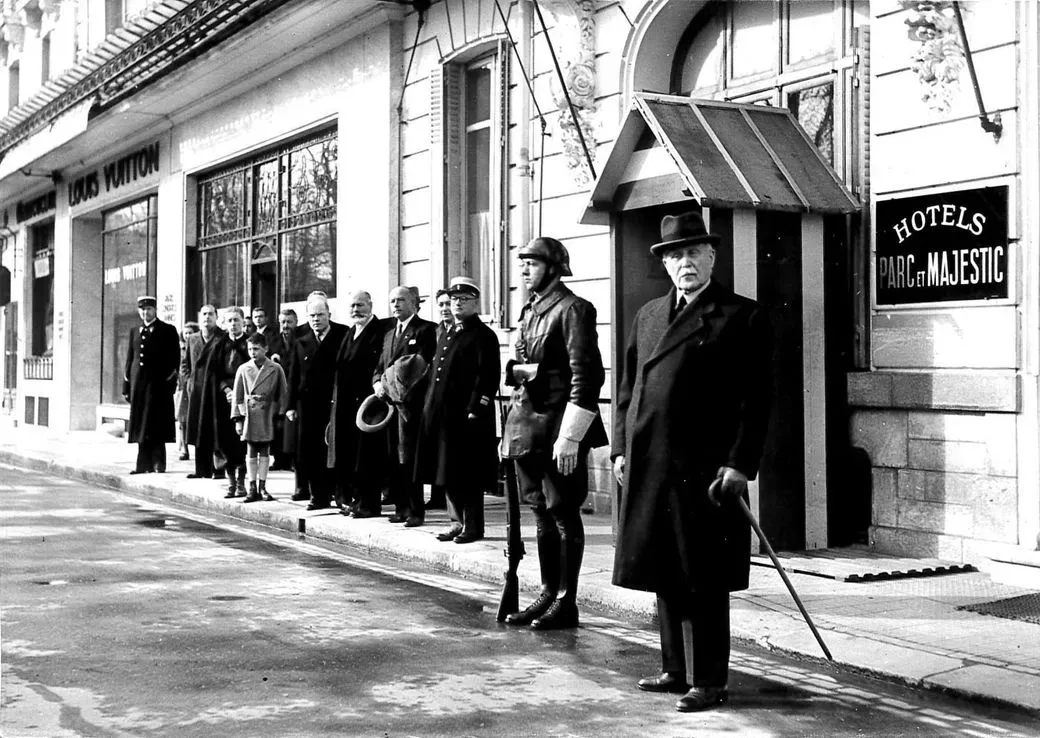
Hotel du Parc
23 rue du Parc
The Hôtel du Parc is one of Vichy's most emblematic buildings and a key site in the history of World War II. Following the French defeat in 1940, it became the official residence of Marshal Philippe Pétain, head of the Vichy regime, from July 1940 until August 1944. From this hotel, Pétain received officials, diplomats, and foreign visitors while directing the government of the so-called "French State." Although the building is now a private residential property and cannot be visited inside, its façade remains a powerful reminder of one of the most controversial periods in French history.
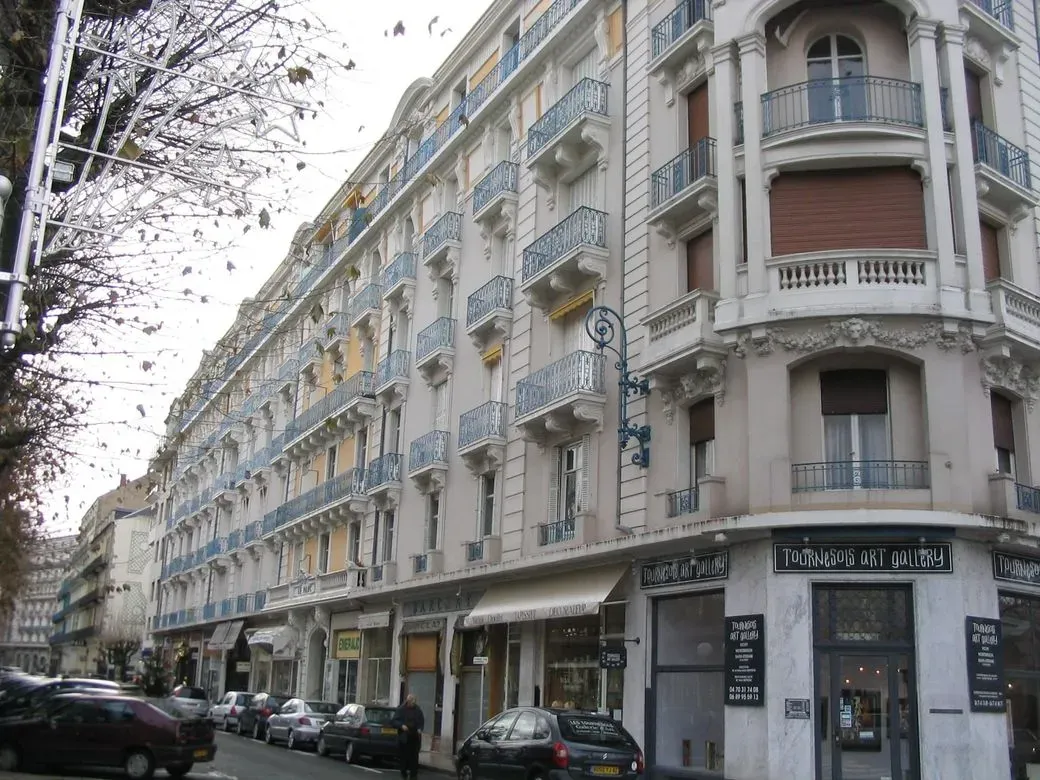
Shops at the Hotel du Parc
25 rue du Parc
Before World War II, the ground floor of the Hôtel du Parc was home to several prestigious boutiques that catered to Vichy's wealthy spa visitors. Luxury fashion, jewelry, and high-end retailers lined the building, reflecting the city's status as one of France's leading resort destinations. When Marshal Philippe Pétain took up residence in the hotel in July 1940, almost all of these businesses were forced to vacate the premises to make way for the new seat of power. The only exception was the Louis Vuitton boutique, which was allowed to remain open throughout the Occupation. Today, this little-known detail illustrates how dramatically everyday life in Vichy was transformed as the hotel became the symbolic heart of the Vichy regime.
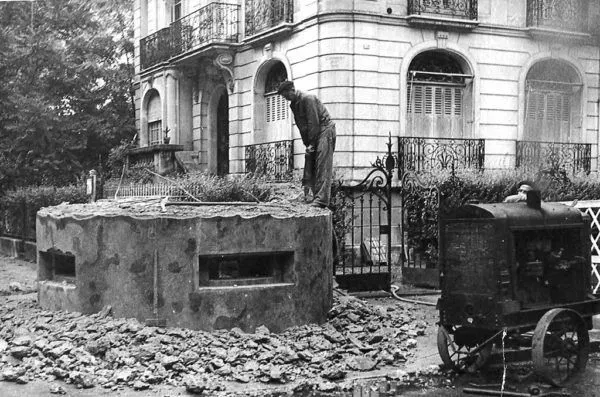
Hotel du Portugal
121 boulevard des Etats-Unis
The Hôtel du Portugal became one of the most feared buildings in wartime Vichy when it was requisitioned by the German authorities to house the local headquarters of the Gestapo. From this location, German security officers directed intelligence operations, interrogated suspects, and coordinated the surveillance and repression of members of the French Resistance, political opponents, and Jewish citizens. For many people arrested in Vichy and the surrounding region, a visit to the Hôtel du Portugal marked the beginning of imprisonment, deportation, or worse. Today, little remains to suggest the building's wartime role, yet it stands as a stark reminder of the German occupation and the machinery of repression that operated in the heart of the city.
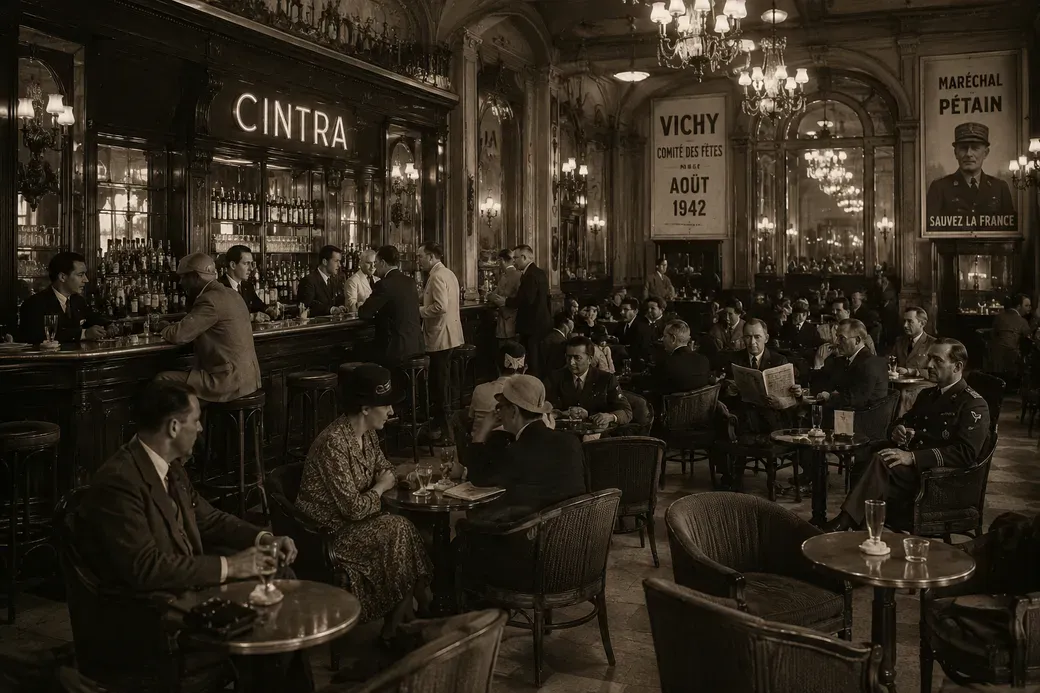
Le Cintra
109 Boulevard de États -Unis
Located at 109 Boulevard des États-Unis, the Cintra Bar was one of Vichy's most popular meeting places during the Second World War. Frequented by government officials, journalists, military officers, diplomats, and local residents, it became an informal crossroads where politics, rumors, and everyday life intertwined. While the Vichy regime conducted official business in nearby hotels and ministries, the Cintra offered a more relaxed setting where conversations often extended beyond the public eye. Its lively atmosphere reflected the unusual mix of luxury, uncertainty, and political intrigue that defined wartime Vichy, making it one of the city's most iconic social venues during the Occupation.
(AI generated image)
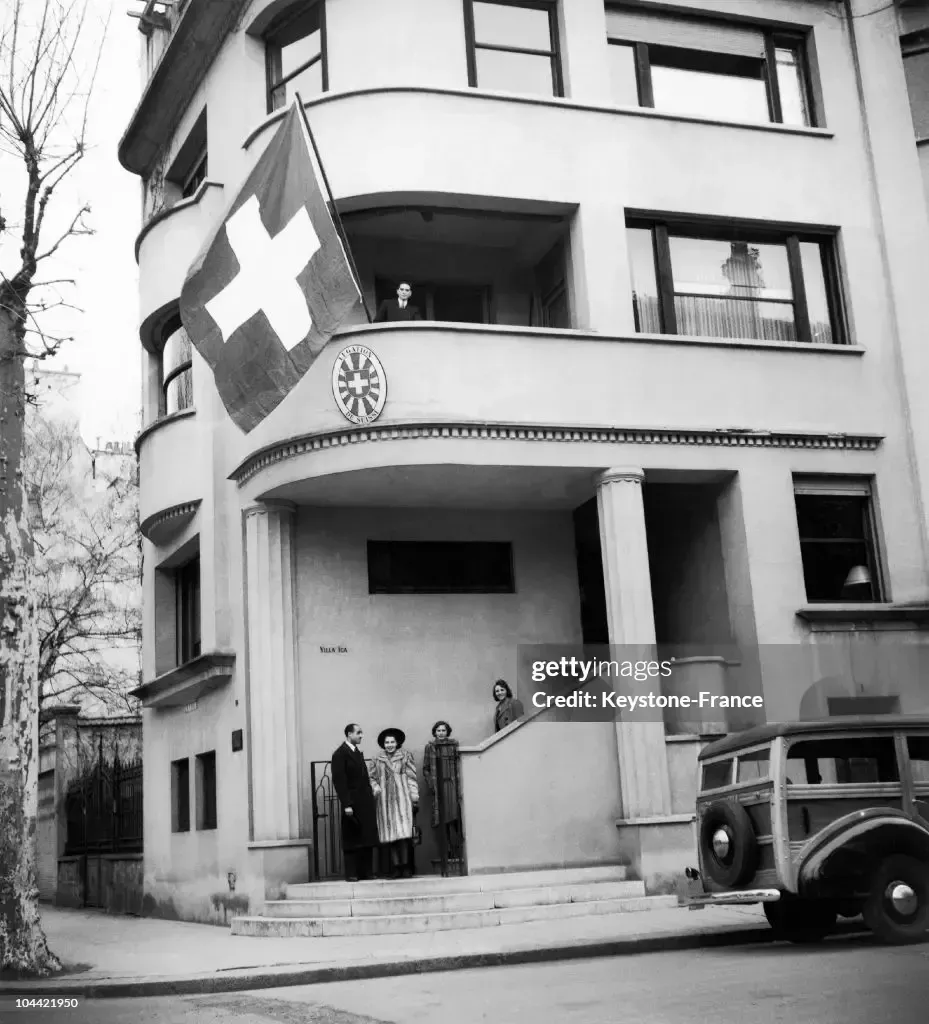
Villa ICA
114 Boulevard des États-Unis
Villa ICA served successively as the Embassy of the United States and later the Embassy of Switzerland during the Vichy period.
Located in a strategic administrative district, the villa briefly functioned as a diplomatic hub before the tightening of wartime control reshaped foreign presence in the city. Its diplomatic uses reflect Vichy’s unusual status as a seat of international representation under the French State.
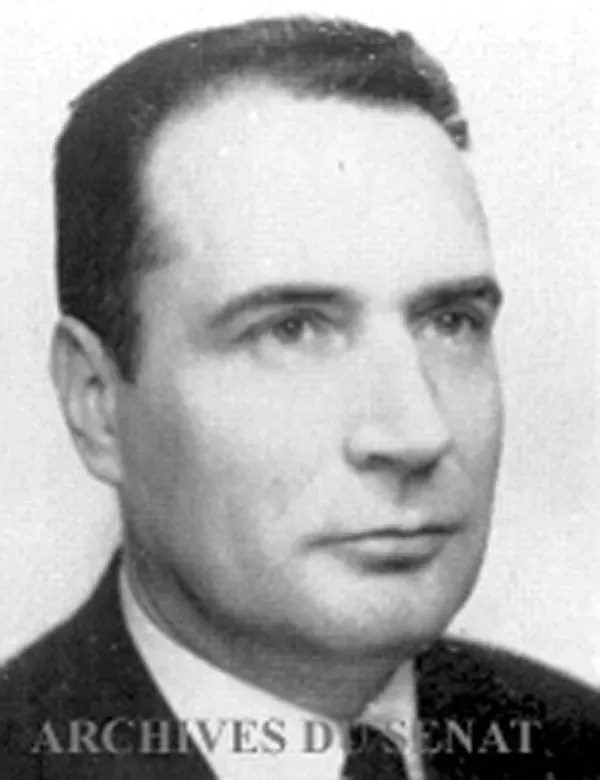
Hotel de Séville
9 boulevard de Russie
Hôtel de Séville was part of the network of requisitioned hotels used during the Vichy regime for administrative purposes. François Mitterrand is known to have worked in Vichy during this period, within the broader governmental and bureaucratic structures based in the city, though his exact activities were distributed across several sites rather than tied to this specific building.
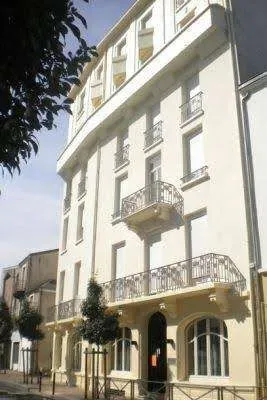
L’hôtel du Parc Lardy : Renseignements généraux
98 rue du Maréchal Lyautey
Located at 98 Rue du Maréchal Lyautey, the Hôtel du Parc Lardy was requisitioned during the Second World War to house the headquarters of the French Renseignements Généraux (General Intelligence Service). From this building, French police officers gathered political intelligence, monitored public opinion, and kept extensive files on individuals considered suspicious by the Vichy regime. The service worked closely with other French authorities and, in certain cases, shared information with the German occupation forces. Although less notorious than the Gestapo headquarters, the Hôtel du Parc Lardy played a significant role in the surveillance apparatus that operated in wartime Vichy. Today, the building bears little trace of this hidden history, yet it remains an important reminder of the administrative machinery that sustained the Vichy regime.
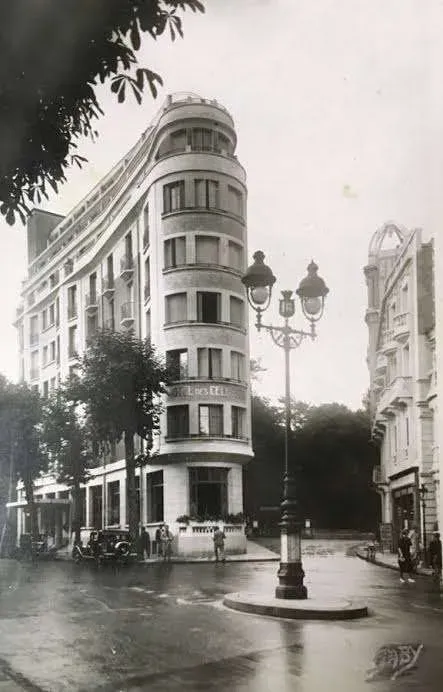
Hôtel Les Célestins : Ministère de l’Intérieur
125 rue Maréchal Lyautey
The Hôtel Les Célestins served as the headquarters of the Ministry of the Interior during the Vichy regime from 1940 to 1944. As one of the government's most influential ministries, it was responsible for internal security, policing, public administration, and maintaining order throughout the so-called French State. From these offices, key decisions affecting local authorities, law enforcement, and the implementation of Vichy policies were coordinated. The ministry also played a central role in enforcing anti-Jewish legislation, suppressing political opposition, and supporting the regime's collaboration with Nazi Germany. Today, the building stands as a reminder of how Vichy's elegant hotels were transformed into the administrative heart of a government whose decisions had profound consequences for France during the Occupation.
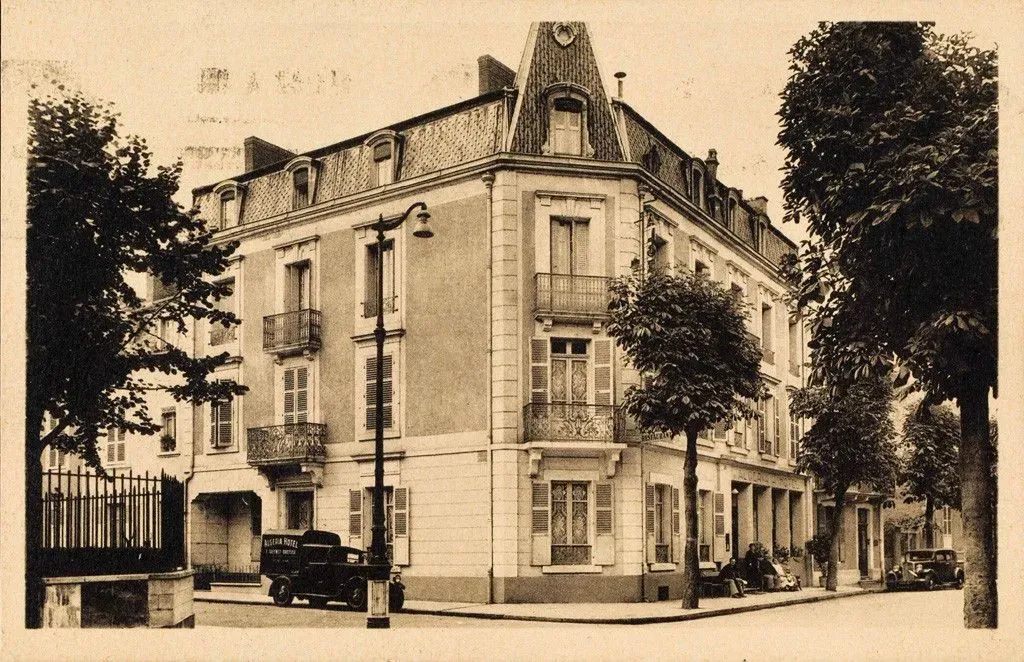
Hôtel Algeria
24 Boulevard Carnot
Hôtel Algéria, located at 24 Boulevard Carnot, was requisitioned during the Vichy period and integrated into the administrative machinery of the French State.
It notably housed services linked to the Commissariat général aux questions juives, reflecting its role within the broader system of wartime bureaucracy established in Vichy. Its history illustrates the conversion of former hospitality spaces into instruments of administration and control during the Second World War.
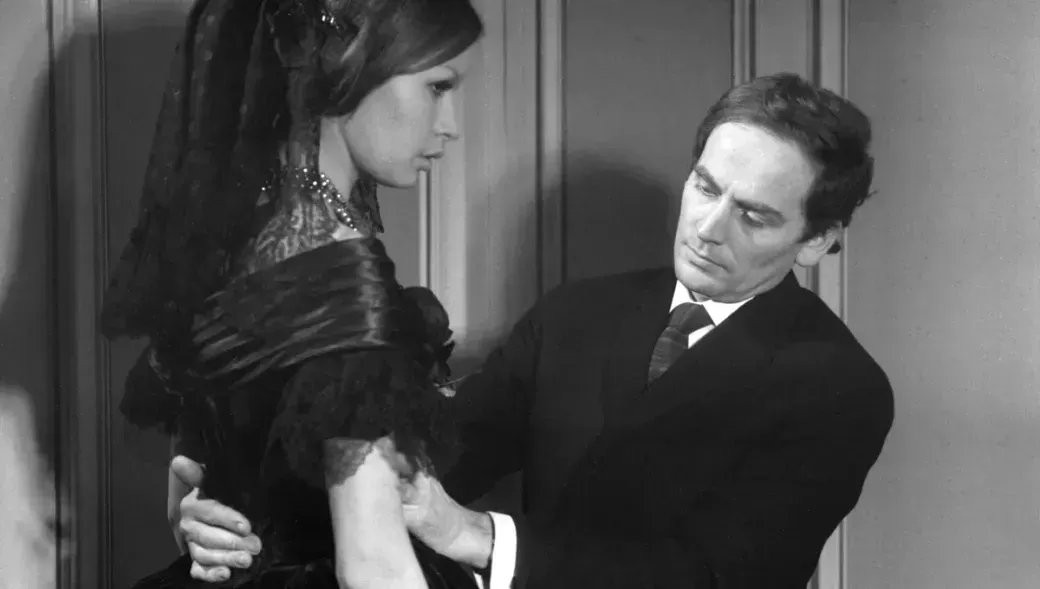
Bains Callou (Red cross)
132 Boulevard des États-Unis
Bains Callou was transformed into a medical and humanitarian facility during the Second World War, serving the activities of the French Red Cross in Vichy.
The building welcomed wounded soldiers, refugees, and civilians in need of care, illustrating how many of the city's spa establishments were repurposed for wartime relief. Among the young volunteers who served here was Pierre Cardin, long before he became one of the world's most influential fashion designers. His brief service at the Bains Callou remains a little-known chapter of his early life in wartime Vichy.
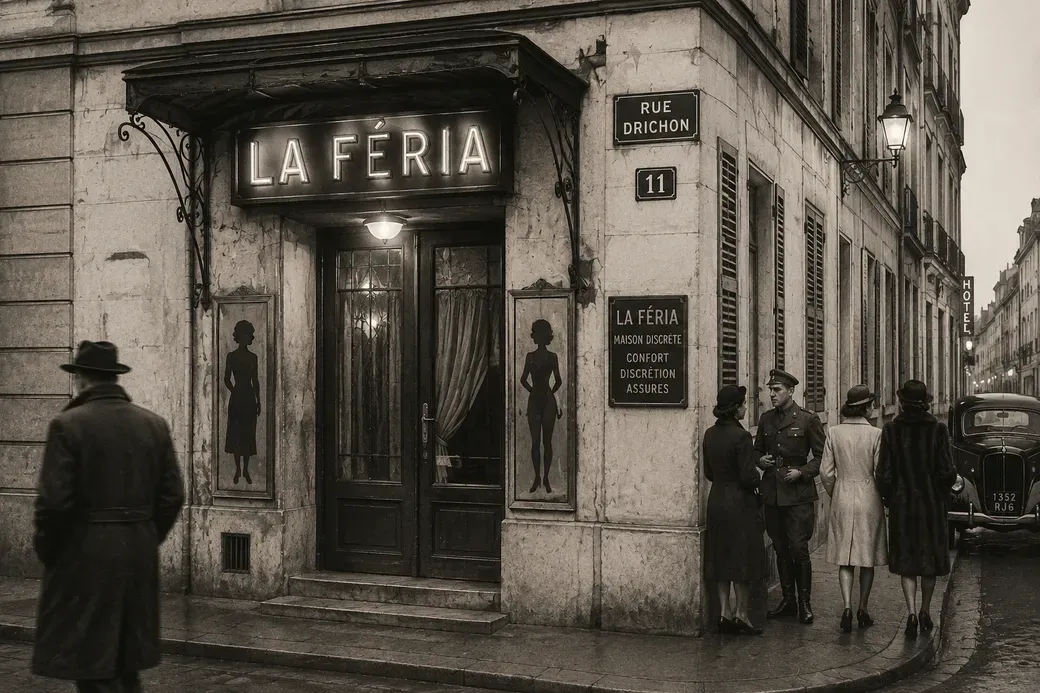
La Feria
11-13 rue Drichon
La Feria, located at 11 Rue Drichon, was one of Vichy's best-known brothels during the first half of the 20th century and remained active throughout much of the Second World War.
Frequented by civilians, officials, and military personnel, it formed part of the city's discreet but thriving nightlife during the years when Vichy served as the capital of the French State. Today, La Feria is remembered as a revealing example of the parallel social life that existed alongside the regime's political and administrative activities.
(AI generated image)
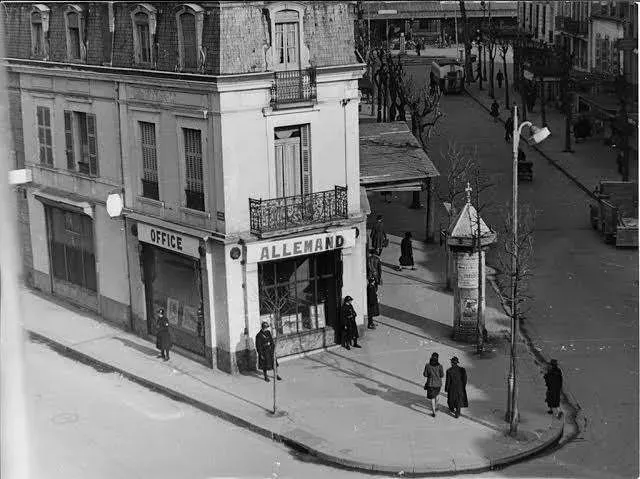
Office de Recrutement allemand
59 rue de Paris
German Recruitment Office was the main German military recruitment office in Vichy, where French volunteers could enlist to serve alongside the German armed forces during the Second World War.
The office handled recruitment for collaborationist military formations, particularly after the launch of the campaign against the Soviet Union, when anti-Bolshevik propaganda was used to encourage enlistment. Though relatively discreet in appearance, the building became a visible symbol of military collaboration and German influence in the capital of the Vichy regime.
Our partners

Discover the echoes of history in Vichy's past.
Join the journey now!